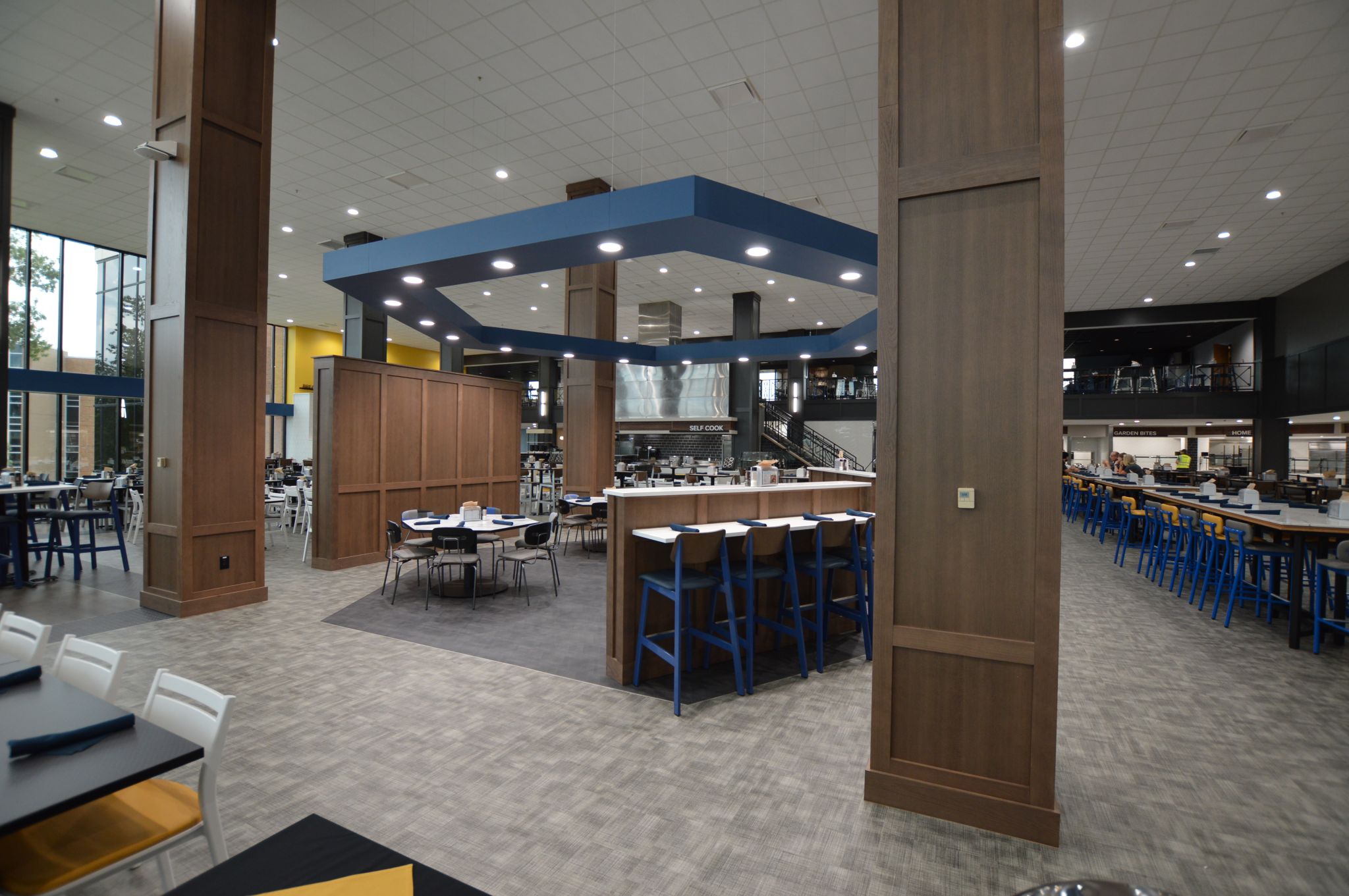
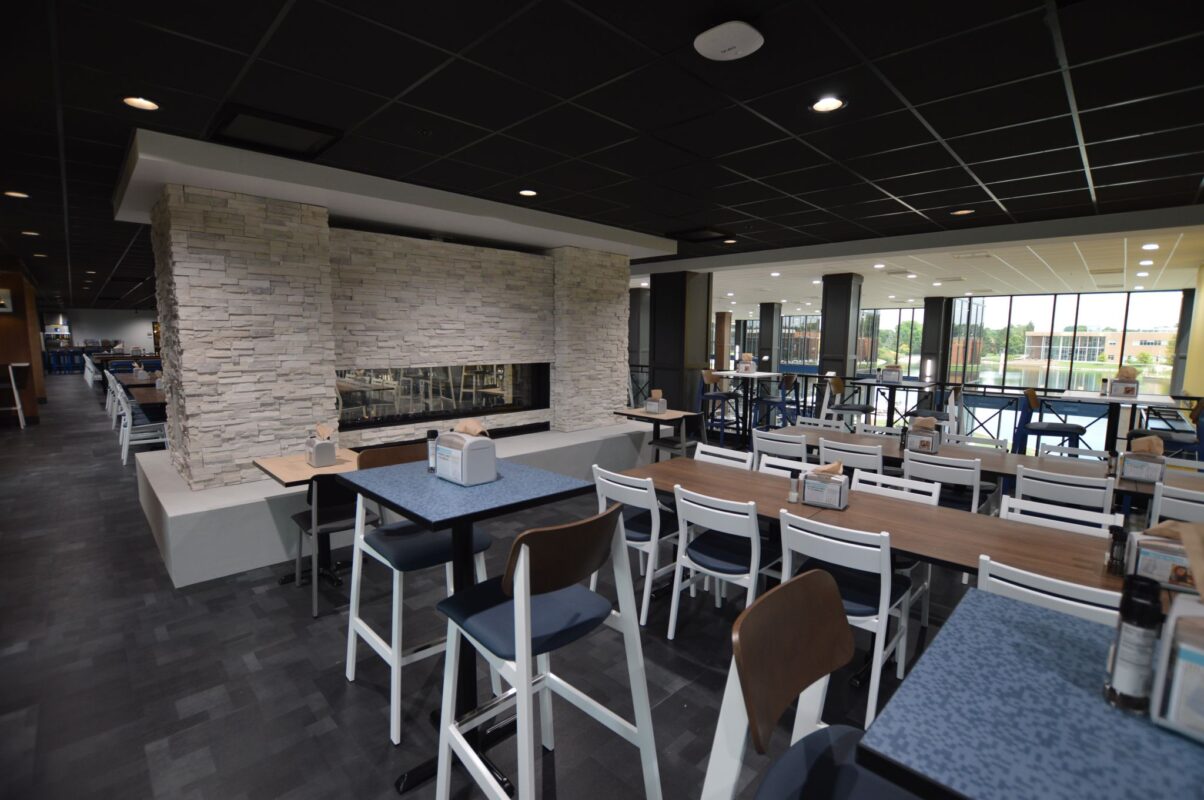
The college dining hall has long been a cornerstone of campus life, but its purpose extends far beyond simply feeding hungry students. With growing concerns about student mental health, dining halls can play a pivotal role in fostering well-being, creating community, and enhancing the overall college experience.
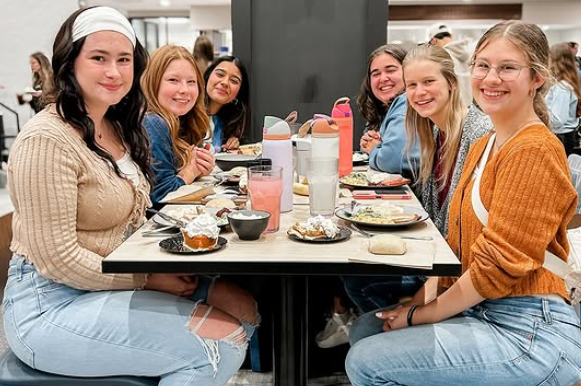
College is often a time of transition and change, and for many students, it can feel isolating. Studies show that social interaction is a key component of mental health. According to research published by the National Institutes of Health, social bonds are associated with lower levels of anxiety and depression and higher levels of self-esteem. Dining halls provide an ideal setting for these bonds to form and thrive. The communal atmosphere of a dining hall encourages conversation and shared experiences. Whether it’s gathering around a table to discuss classes, meeting new people over a meal, or participating in special dining events, these interactions help students build friendships and a sense of belonging.
This sense of connection doesn’t just benefit mental health-it also impacts retention. Studies from the American College Health Association reveal that students who feel socially integrated are more likely to persist in their studies and graduate. In contrast, the rise of to-go dining options, while convenient, can inadvertently diminish these opportunities for connection. While it’s tempting to grab a meal and retreat to the solitude of a dorm room, students miss out on the mental health benefits that come with eating in a shared space. Encouraging students to prioritize dining hall meals can make a tangible difference in their well-being and academic success.
The dining hall’s purpose doesn’t stop at fostering socialization. By intentionally adding value to the dining experience, it can become a hub for supporting students in all aspects of campus life. By “Pioneering Purpose”, we are encouraging our campuses to provide bonus bites and theme meals on targeted dates or seasons. The purpose here is to provide a boost when students need it most. For example, it may make sense to skip the bonus bite during welcome week when so much is already going on, but then do an extra bonus bite during mid-terms, Blue Monday, or tax season-yes, even college students are stressed about taxes! Increasing the number of theme meals providing warm, nutrient rich meals during winter to combat seasonal depression can also be a key strategy in colder regions where this is more prevalent. These targeted efforts turn the dining hall into a space where students not only refuel but also recharge emotionally.
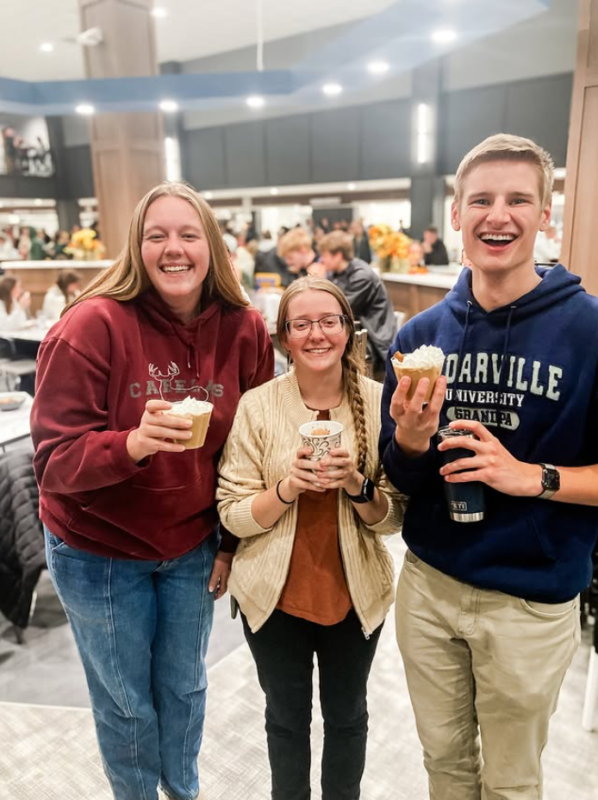
As partners, our campuses can get involved too! Beyond our regular bonus bites and theme meals, we can be purposeful together by offering treat bags for certain students or times of year. Pioneer has provided a list of ideas and an outline for these to fit almost any budget. These curated treats provide an unexpected pick-me-up, helping students feel valued and cared for. We could create a “Break Box” for students that are staying in dorms over a holiday when others go home. This could be as simple as a few snacks and a word-search book, or it could be more elaborate with games to play with others that stayed, a movie rental gift card, and a campus scavenger hunt to get them out of their rooms for some fresh air! Another idea would be to create a welcome gift aimed at international students. The gift could contain regional treats to introduce them to their new home. A campuswide custom treat could also be created aimed at certain times of year, or it could feature favorite treats from the campus president!
Care boxes can turn an ordinary day into a special one, offering a small but meaningful way to uplift students and remind them that they’re not alone. That is the key to fostering campus and community. Socialize in the dining hall, share a meal, give a gift, but ultimately, show students that they are valued and part of the campus community.
By fostering social connections, designing intentional events, and offering thoughtful gestures like care boxes, dining halls can significantly impact students’ mental health. By “Pioneering Purpose,” we are transforming dining into an experience that supports students academically, emotionally, and socially.
In a world where mental health challenges are increasingly prevalent, dining halls have an opportunity to become more than just a place to eat. They can be a vital part of the solution, helping students thrive during their college journey.